
🔧 This Can’t Be It
It wasn’t one thing — not a single moment or explosive incident — that made me decide I needed a change. It was more like the slow realisation that I was constantly being overlooked, underestimated, and politely pushed to the side.
I’ve been profoundly deaf since birth. That fact has shaped every part of my life and not always in ways people can see. There’s a particular kind of quiet discrimination that follows you around when you’re deaf. It’s not usually malicious. It’s a shrug. A wave-off. An “oh don’t worry about it” when you miss something. Eventually, you realise you’re not being given the same opportunities. You’re just not in the room — or if you are, you’re not really in the room.
Before tech, I worked in packaging at a pharmaceutical company, running sleeving and wrapping machines for cancer drugs. Early mornings, long shifts, industrial hum always in the background. From there I moved into electrical engineering — commissioning environmental monitoring systems for clean rooms across Europe. Running cables, connecting up terminals, trying to speak in broken German. Sounds impressive on the outside, It wasn’t. Hotels with questionable carpets, constant travel, not much sleep.
But I kept showing up, getting the job done. Clients were happy. Colleagues respected me. Yet every promotion, every real opportunity, slipped through. I wasn’t university-educated. I was deaf. I didn’t “look” the part — or at least, not to the people who got to decide what “the part” was.
Still, I pushed on. Until 2018, when my wife and I found out we were expecting our first child.
And that’s when it hit me — this can’t be it. I can’t keep grinding away for little money and less recognition, away from home, missing my daughter’s first everything. Something had to give.
So I took a punt.
I applied for a scholarship to Makers Academy, a coding bootcamp in London. It took a few rounds of interviews, but I got in. It felt like the first real “yes” I’d had in a while.
I’d always been curious, as a child I’d take things apart just to see how they worked. Even now, I’ll randomly find myself wondering about things like why diesel engines have more torque or how clouds are classified. I have a noisy brain that asks lots of questions.
Then came my Makers interview. A whiteboard exercise on building a sound codec using frequency ranges. I’d just had my cochlear implant upgraded at the time and had been asking my technician loads of questions about how it processed sound. It clicked. My brain already worked this way — I just hadn’t had the chance to use it.
That interview didn’t just unlock a door — it confirmed I was wired for this.
👶 Baptism by Baby and Bootcamp
My daughter was born on 8th July 2019. Emergency C-section. Scary. Beautiful. Surreal. One minute we were packing a hospital bag, the next I was standing in scrubs watching the NHS do their thing. She arrived safely — and everything changed.
It was an emotional hurricane. I’d just wrapped up Makers. I was applying for jobs. I had no income. Mortgage due. No savings. A newborn. It was chaos.
But it was also fuel. I had to make it work, I didn’t have the luxury of stepping off the accelerator.
Being at Makers as the only deaf student wasn’t easy. They’d never had someone like me before. But I wasn’t about to be a passenger. I leaned hard into the work — staying late, re-reading notes, asking questions twice (or three times). Deaf people often have to process things differently. For me, that meant needing a bit more time — but it also meant I paid closer attention, picked up on nuance, and developed a kind of grit.
My cohort were brilliant — respectful, supportive, open. We’d head to the pub after hours, not just to unwind but to keep building that network, that sense of belonging. It was the opposite of the isolation I’d felt in previous jobs.
And then came the first interview. One shot, one offer — a junior software engineer role at Capgemini in their Applied Innovation Exchange. Four weeks after my daughter was born, I started.
It wasn’t glamorous. I had to learn a whole new industry, get to grips with tech I hadn’t used before, try to be “on” during the day and “dad” at night. But it was happening. I was in. The imposter syndrome was real, but the momentum was stronger.
💻 Finding My Crowd
Fast forward to now — I’m a Tech Lead at the Financial Times, working in a small but mighty team of engineers. I spend my time mentoring, planning projects, removing blockers, and creating an environment where people feel safe enough to be curious, make mistakes, and grow. I code in JavaScript, work across AWS, and still get a buzz when a thing I built actually works in the wild.
Culture shock? Absolutely.
Coming from the world of contractors and “proper lads”, I was used to banter, hierarchy, and the occasional casual ignorance. Not evil, just entrenched. My first day at Capgemini was almost confusing — people asked about me, cared about what I needed. The team booked a deaf awareness session without me even asking.
That’s what inclusion should look like — not just accommodation, but anticipation.
At the FT, I’ve continued to grow — not just technically, but personally. I’ve learned that leadership isn’t about knowing everything. It’s about creating space for others. It’s about listening (ironically, yes), learning, and leaving your ego at the door.
🧠 Three Things I’ve Learned
Patience is a superpower
We live in an age of instant gratification. But real progress, in code and in life — takes time. Learning takes time. Processing feedback takes time. Sometimes you have to pause, breathe, and trust the work.
Bring all of yourself
I spent years trying to shrink parts of myself to fit the room. Now I bring the whole thing. Ask the “dumb” question. Admit what you don’t know. That’s how you grow and help others grow too. To quote Bob Dylan: “So don’t think twice, it’s alright”.
Find your people
It makes a world of difference. Whether it’s colleagues, mentors, or just a good Slack channel — if you feel safe, seen, and heard (yes, heard), you’ll thrive.
🎯 Who This Is For
This isn’t a sob story, its just my story told real and raw.
If you’re deaf, disabled, or just stuck in a career that doesn’t see your value — tech might be your way out. It’s not perfect. But it’s one of the few industries where being “wired differently” isn’t just accepted — it’s an asset.
I’d love to see more deaf professionals in this space. I’d love to build a coding bootcamp just for us one day. Because there’s a whole generation out there who just need someone to tell them: Yes. This world is for you too.
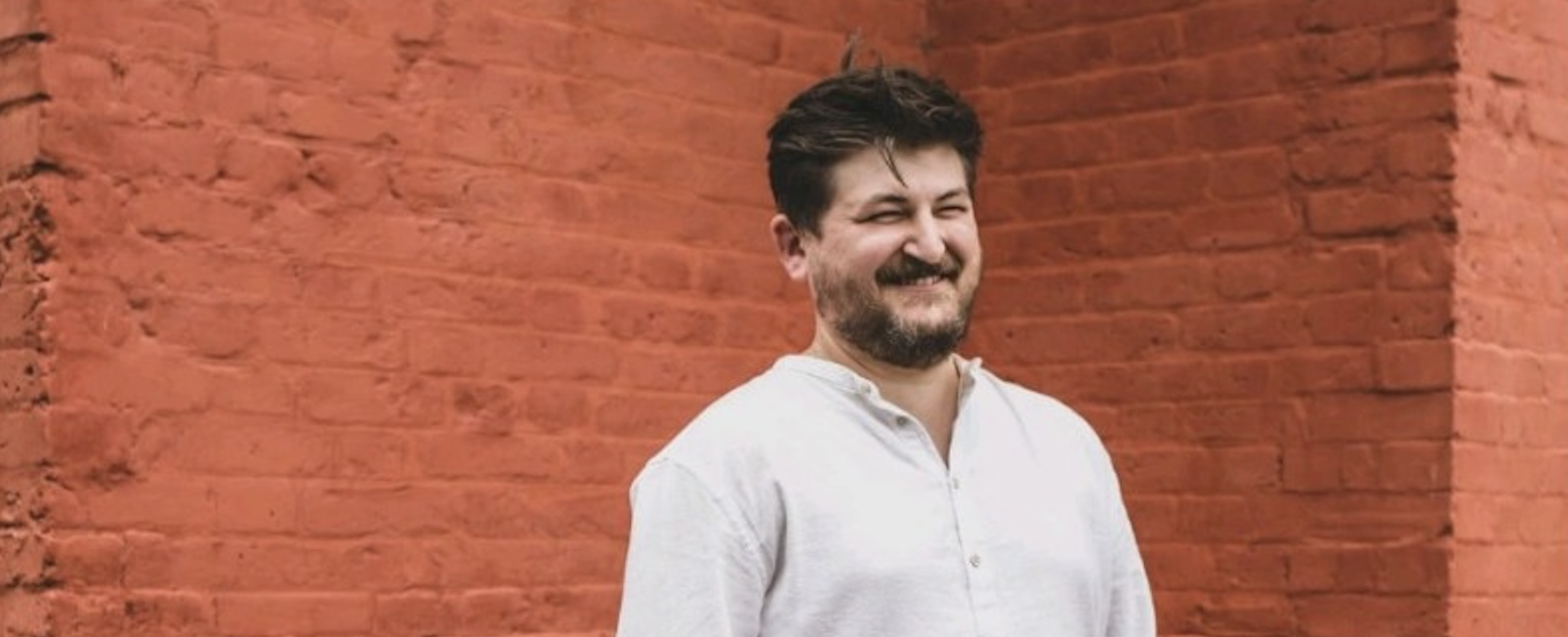
James says: I’m a profoundly deaf software engineer and tech lead working at the Financial Times. I went to Mary Hare School for the Deaf but left with no A-levels — and that wasn’t the end of the world. I worked across different jobs and careers before finding my passion in tech. I’m sharing my journey to show that university isn’t the only route. There are so many opportunities in tech for deaf people — not just in software engineering, but also in areas like cyber security, cloud computing, networking, and more.
Enjoying our eggs? Support The Limping Chicken:

The Limping Chicken is the world's most popular Deaf blog, and is edited by Deaf writer and photographer Charlie Swinbourne.
Our posts represent the opinions of blog authors, they do not represent the site's views or those of the site's editor. Posting a blog does not imply agreement with a blog's content. Read our disclaimer here and read our privacy policy here.
Find out how to write for us by clicking here, and how to follow us by clicking here.
This site exists thanks to our supporters. Check them out below:
- Lumo TV: TV programmes in BSL for the Deaf community
- Bellman & Symfon: home alerting solutions, including the mobile phone transceiver!
- SignVideo: Instant BSL video interpreting online
- British Deaf Association: Working to transform the way BSL is accessed in the UK
- 999 BSL: call 999 in an emergency, in BSL
- Deaf Umbrella: Making colleges and workplaces more accessible
- Appa: Looking for RSLIs, TSLIs and CSWs, apply here!
- Signly: Adding BSL to websites
- Signworld: Learn BSL online!
- DCAL: world-class research into deafness, cognition and language
- Lipspeaker UK: specialist lipspeaking support
- BID: Deaf services, including advice and support, interpreting, employment and letters
- Interpreting Matters: BSL interpreting agency
- Sign Solutions: Instant access to Interpreters, training and BSL translation nationwide
- InterpretersLive: On demand BSL video interpretation
- Performance Interpreting: BSL interpreting at concerts
- National Deaf Children's Society: The leading charity for deaf children
- Action Deafness: “A Deaf-Led Charity” – interpreting & community support services




Posted on May 23, 2025 by Editor