
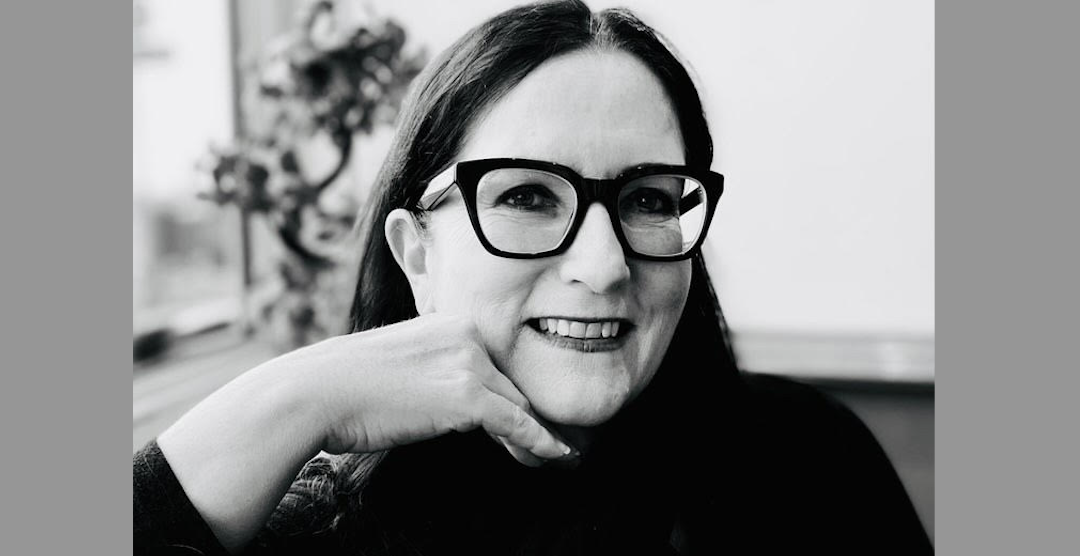
Hello, I’m Alison Claire France (née Hillier, previously Swannack), a freelance artist and facilitator based in East Sussex, England.
I was born in Australia, where my parents moved after their wedding in London, taking advantage of the 1964 £10 passage scheme to start a new life. We returned to the UK when I was three, and later I moved to South Africa, where I lived for so many years and developed a deep connection to the people and culture there.
About ten years ago, I came back to England to reconnect with my ancestral roots and settle once again in the landscape that has always felt like home.
Growing up in a family of artists, including two aunts and cousins, shaped my outlook and fostered a lifelong appreciation for nature and shifting perspectives.
Mental health conditions run in my family, including Schizophrenia and ADHD, which has given me a deeper understanding of resilience, empathy, and the complexity of human experience, all of which continue to influence how I live and work today.
I am profoundly Deaf and communicate using sign language. I identify as culturally Deaf, which means my Deafness is not just about hearing loss; it is a significant and valued aspect of my identity, tied to Deaf culture, community, and language.
Art has inspired me from a very young age. It shaped how I see the world and gave me a lifelong love of nature and changing perspectives, which still influence how I live and create today.
When I was young, I didn’t have the chance to study art at school because no courses were offered. Instead, I loved doodling on my school books, which became my way of exploring creativity.
I was also a vivid reader, enjoying history books and fiction featuring medieval themes and Pre-Raphaelite art (a 19th-century style known for vivid colours, detailed realism, and stories from medieval legends, literature, and mythology), which inspired my imagination and early artistic interests.
I trained formally in art, completing an MA degree in Fine Art at the University of Brighton in 2024 and a BA (Hons) degree in Fine Art at University Centre Hastings in 2023.

I also studied Art History at the University of Queensland and earned a Diploma in Visual Arts at TAFE Queensland. Alongside this, I continue to learn and explore creatively on my own.
It hasn’t always been easy. Being Deaf came with communication challenges, accessibility barriers, and a sense of loneliness at times, especially among groups of hearing art students.
However, I learned to adapt, advocate for myself, and find ways to fully engage, which has also strengthened my resilience and creativity.
My artistic style is immersive and conceptual, spanning installations, sculpture, painting, prints, and video. I explore perception, emotion, and the interplay between humans, nature, and identity, and I’m particularly fascinated by pareidolia, how familiar shapes and forms emerge from chaos, inviting viewers to interpret and reflect on their own experiences.
Across all my work, I aim to challenge perception, evoke emotion, and provoke reflection, inviting viewers to engage deeply with both the artwork and their own experiences of the world.
I’m inspired by nature, shifting perspectives, and human experiences. Growing up in a family of artists and living across different countries shaped how I see the world.
I’m also inspired by the emotional impact of landscapes, the human form, and social issues, which influence how I express ideas and stories through my art.
Being Deaf introduces particular communication barriers and accessibility challenges. For example meetings, workshops, gallery events or sales interactions may require sign‐language interpreters, video captioning, or alternative communication methods.

Even finding the right support or being able to ‘read the room’ can be tougher. On top of that, running a small business in the arts often already requires wearing many hats: artist, marketer, administrator, networker.
For a Deaf person that can mean dealing with additional loads: ensuring accessibility, translating communications, sometimes working harder to be visible in a space that assumes hearing norms.
At the same time I often feel isolated in the wider community: as an artist, as a Deaf person, in a business context that might assume hearing communication as default. But these obstacles also foster creativity, resilience and problem-solving. Because you learn to find alternative ways to connect visually, to adapt your messaging, to make your work speak in different ways.
With the right support, accessible venues, interpreters or communication support, networks that understand Deaf culture, and business mentoring means that Deaf artists can absolutely successfully manage and grow their own business.
The experience of being Deaf can also become a strength: in my case it enriches my visual practice, gives a distinctive voice, allows me to tap into a unique way of seeing and engaging with the world.
My ambitions are to create art that moves people, sparks reflection, and connects them to nature, identity, and human experience. My work explores dystopian decay, corruption, and glimmers of hope, as well as the emotional resonance of the natural world.
I also seek to raise awareness of social issues and the human impact on the environment, encouraging reflection on the Anthropocene and our interconnectedness.

After a short pause for health reasons, I’m now actively seeking funding and a larger studio to develop new works. As a Deaf artist, I aim to foster connection, break down barriers, and advance inclusion.
I also run Sign Language-integrated art workshops and lead BSL tours at galleries, and I’m open to exhibitions, commissions, residencies, and collaborations.
I would love to collaborate with artists, particularly William Kentridge and Nalani Malani, as well as others interested in immersive, inclusive, and thought-provoking work that makes art accessible and meaningful for diverse audiences.
My advice to other budding artists would be: start wherever you are, with whatever materials you have. Art is about exploration and self-expression, not perfection.
Use your lived experiences, culture, and identity as inspiration. Don’t rely only on the Deaf artists’ community; it can sometimes be close-knit, competitive, and unwilling to share. Ignore it if it feels limiting and reach out to hearing artists, workshops, and the wider art world (with ATW interpreters if needed.)
Experiment, trust your vision, and remember your perspective as a Deaf artist is unique and valuable.
By Alison Claire France
Enjoying our eggs? Support The Limping Chicken:

The Limping Chicken is the world's most popular Deaf blog, and is edited by Deaf writer and photographer Charlie Swinbourne.
Our posts represent the opinions of blog authors, they do not represent the site's views or those of the site's editor. Posting a blog does not imply agreement with a blog's content. Read our disclaimer here and read our privacy policy here.
Find out how to write for us by clicking here, and how to follow us by clicking here.
This site exists thanks to our supporters. Check them out below:
- Lumo TV: TV programmes in BSL for the Deaf community
- Bellman & Symfon: home alerting solutions, including the mobile phone transceiver!
- SignVideo: Instant BSL video interpreting online
- British Deaf Association: Working to transform the way BSL is accessed in the UK
- 999 BSL: call 999 in an emergency, in BSL
- Deaf Umbrella: Making colleges and workplaces more accessible
- Appa: Looking for RSLIs, TSLIs and CSWs, apply here!
- Signly: Adding BSL to websites
- Signworld: Learn BSL online!
- DCAL: world-class research into deafness, cognition and language
- Lipspeaker UK: specialist lipspeaking support
- BID: Deaf services, including advice and support, interpreting, employment and letters
- Interpreting Matters: BSL interpreting agency
- Sign Solutions: Instant access to Interpreters, training and BSL translation nationwide
- InterpretersLive: On demand BSL video interpretation
- Performance Interpreting: BSL interpreting at concerts
- National Deaf Children's Society: The leading charity for deaf children
- Action Deafness: “A Deaf-Led Charity” – interpreting & community support services





Posted on October 29, 2025 by Rebecca A Withey