
My name is Lian, and I was born in Bristol, England, to parents who moved here from China before I came into the world. Growing up, I always felt like I had two homes: the leafy streets of Bristol, with its patchwork of British culture, and the rich traditions my parents carried with them from China. But navigating both worlds hasn’t always been straightforward—especially for me, as someone who is deaf.
I don’t sign. My deafness level is moderate-severe so I have relied mostly on spoken language, although it comes with its own challenges. Listening can be exhausting. After a long day of conversation, my ears feel like they’ve run a marathon.
Words can blur together in noisy environments, and sometimes I find myself nodding along, pretending to understand, only to retreat later into quiet. It’s something people rarely see from the outside: the invisible fatigue of hearing.
Growing up in England, I absorbed the language and humour of British life. School, friends, TV shows, even the sarcastic banter around the dinner table—I felt at home in all of it.
But at home, my parents spoke Mandarin and Cantonese, cooked traditional meals, and celebrated festivals like the Lunar New Year with gusto. I do know Mandarin and had lessons for a period of time but found it especially hard to follow and also to pronounce. Yet I do my best.
For me, being British and being Chinese isn’t an either/or; it’s a both/and. I am English in my accent and humour, yet I light incense, eat dumplings, and pay attention to the lunar calendar with equal passion too. I’ve learned to embrace the duality, finding ways to let both sides of my identity flourish.
Chinese New Year is a very important celebration in our house which lasts several days. As I live with my parents, I am expected to take part in all of the traditions, and I do enjoy them as they make me feel close to part of my ancestry.
And so, for Chinese new year, in our home, it all starts with meticulous preparation. My mother insists on cleaning every corner of the house—a symbolic sweep of bad luck. I help her do this, ensuring there’s no clutter or mess affecting the flow of our rooms too.
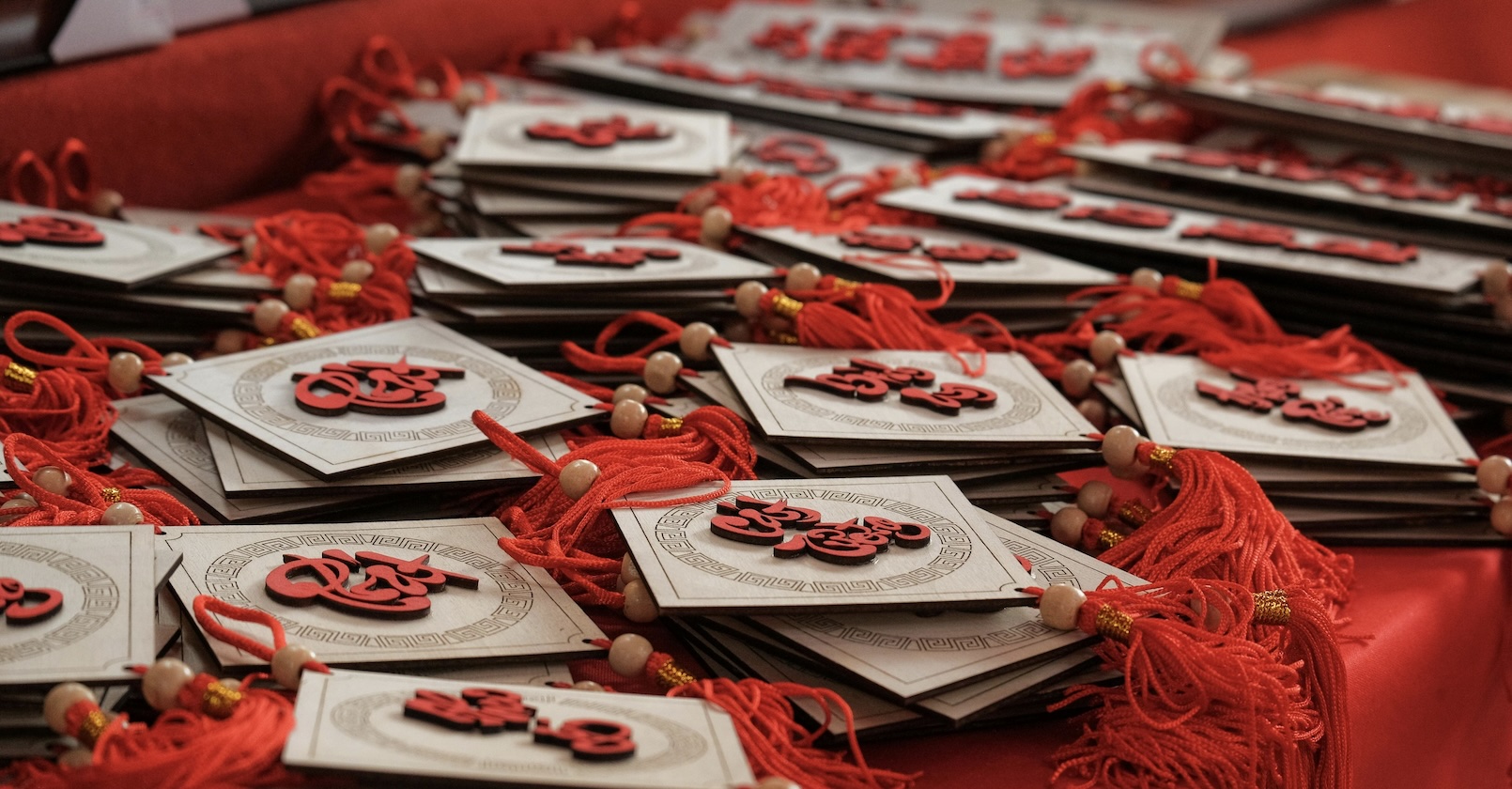
We decorate with red banners and paper lanterns, symbols of luck and prosperity. I love the way the lanterns glow, the smell of incense and sizzling oil in the kitchen. It’s a time for family to get together and relatives to visit. I always look forwards to it.
Food is the centerpiece. Dumplings shaped like ancient Chinese ingots, fish for abundance, sticky rice cakes for a “sweet year,” and spring rolls that look like crispy tubes of hope.” Cooking together is noisy and chaotic, but I always enjoy chopping, sizzling, and stirring with family all in the kitchen – it’s busy but cosy at the same time.
One of the most enjoyable aspects for me is the fireworks. I love stepping outside, and watching the sky bloom with colour. My Father always insists everyone joins in the celebrations fully, and I do with pride, feeling a sense of connection not just to my family but to centuries of tradition.
Beyond the family rituals, I also try to connect with the wider Chinese community in Bristol. Local celebrations offer a mix of music, lion dances, and crowded streets, which can be a sensory overload. I appreciate the colours, the smells, and the visuals rather than the constant noise.
Being British-Chinese and deaf has taught me a subtle but crucial lesson: identity isn’t fixed. It’s layered and personal. I am British when I quote TV shows, watch comedy and celebrate things like Guy Fawkes Night. But I’m also Chinese when I bow to ancestors during Lunar New Year and come together with distant relatives to celebrate. Ultimately, though, I am just uniquely myself.
I’ve learned to merge these worlds by picking and choosing the elements that resonate most with me. I carry my heritage in my heart and my daily life, whether it’s using Mandarin phrases with my parents, making dumplings for friends, or even practicing calligraphy in afternoons.
I was very creative as a child and my parents encouraged this as well as my academic studies. Even now as a grown adult, with a job in pharmaceuticals, I still make time for creative expression, just like my parents do.
At the same time, I love our British spaces, parks, places of interest, and things like art galleries. I can even introduce English terms to my parents and break them down in ways they understand, as they can sometimes be a little stuck in their ways or rather old fashioned.
Being deaf, I often have to slow down, listen differently, and observe more closely. These habits have helped me appreciate nuances in both cultures. I notice the subtle humour in British interactions, the layers of meaning in Chinese customs, and the ways these worlds can talk to each other if you pay attention.
Chinese New Year, therefore, isn’t just a holiday—it’s a celebration of this dual identity. It’s about honouring my parents’ roots, my own upbringing, and the in-between space where I live. I feel lucky to straddle both of these worlds. Being British-Chinese and deaf isn’t a compromise; it’s what makes me uniquely me.
By Lian Chen.
Image courtesy of Pexels.
Enjoying our eggs? Support The Limping Chicken:

The Limping Chicken is the world's most popular Deaf blog, and is edited by Deaf writer and photographer Charlie Swinbourne.
Our posts represent the opinions of blog authors, they do not represent the site's views or those of the site's editor. Posting a blog does not imply agreement with a blog's content. Read our disclaimer here and read our privacy policy here.
Find out how to write for us by clicking here, and how to follow us by clicking here.
This site exists thanks to our supporters. Check them out below:
- Lumo TV: TV programmes in BSL for the Deaf community
- Bellman & Symfon: home alerting solutions, including the mobile phone transceiver!
- SignVideo: Instant BSL video interpreting online
- British Deaf Association: Working to transform the way BSL is accessed in the UK
- 999 BSL: call 999 in an emergency, in BSL
- Deaf Umbrella: Making colleges and workplaces more accessible
- Appa: Looking for RSLIs, TSLIs and CSWs, apply here!
- Signly: Adding BSL to websites
- Signworld: Learn BSL online!
- DCAL: world-class research into deafness, cognition and language
- Lipspeaker UK: specialist lipspeaking support
- BID: Deaf services, including advice and support, interpreting, employment and letters
- Interpreting Matters: BSL interpreting agency
- Sign Solutions: Instant access to Interpreters, training and BSL translation nationwide
- InterpretersLive: On demand BSL video interpretation
- Performance Interpreting: BSL interpreting at concerts
- National Deaf Children's Society: The leading charity for deaf children
- Action Deafness: “A Deaf-Led Charity” – interpreting & community support services





Posted on March 6, 2026 by Rebecca A Withey
0