

Trigger warning: This blog contains discussion of pregnancy loss, premature birth, grief, medical trauma, and lack of communication support during maternity care.
I recently watched Open Your Eyes: Maternity Crisis on Lumo TV late one night when I couldn’t sleep. I was curious to watch it, although I thought I had already moved on from my past.
But as the stories unfolded, something in me felt upset. The documentary brought me back to being seventeen, sitting in hospital waiting rooms with no real idea of what was supposed to happen next, only knowing I was scared and in over my head.
I’m a deaf woman. When I was seventeen, I found out I was pregnant unexpectedly. The father was a hearing boy my age. When I told him, he wanted nothing to do with it. My parents reacted with anger more than anything else.
There was no support, no comfort, no “we’ll get through this together.” Nothing. So I went through my maternity appointments alone.
The hospital did arrange interpreters for planned appointments, which helped. I could ask questions, understand scans, and be told the basics.
But pregnancy isn’t just appointments. It’s also the worries in between, the strange symptoms, the fear late at night when you don’t know what’s normal and what isn’t. I often left appointments still confused and still trying to work things out by myself.
Then everything changed suddenly. My waters broke at 26 weeks. It was far too early. I remember panicking, feeling confused about what was happening to my body, and then rushing to hospital.
But once I got there, all the support that had been arranged before disappeared.
No interpreter had been contacted for the emergency. Nobody seemed prepared for the fact I couldn’t hear what was being said around me.
I was expected to lipread through urgent conversations. Doctors and midwives moved quickly, talking while turning away from me or speaking to each other.
I was trying to work out what was happening from people’s faces and body language.
I was terrified, and I couldn’t fully understand what was happening or what was going to happen next. At one point, I asked for pen and paper so people could write things down for me properly. I needed something clear and simple.
But I was brushed off. Things were repeated out loud again, they kept talking to me loudly and trying to be clear.
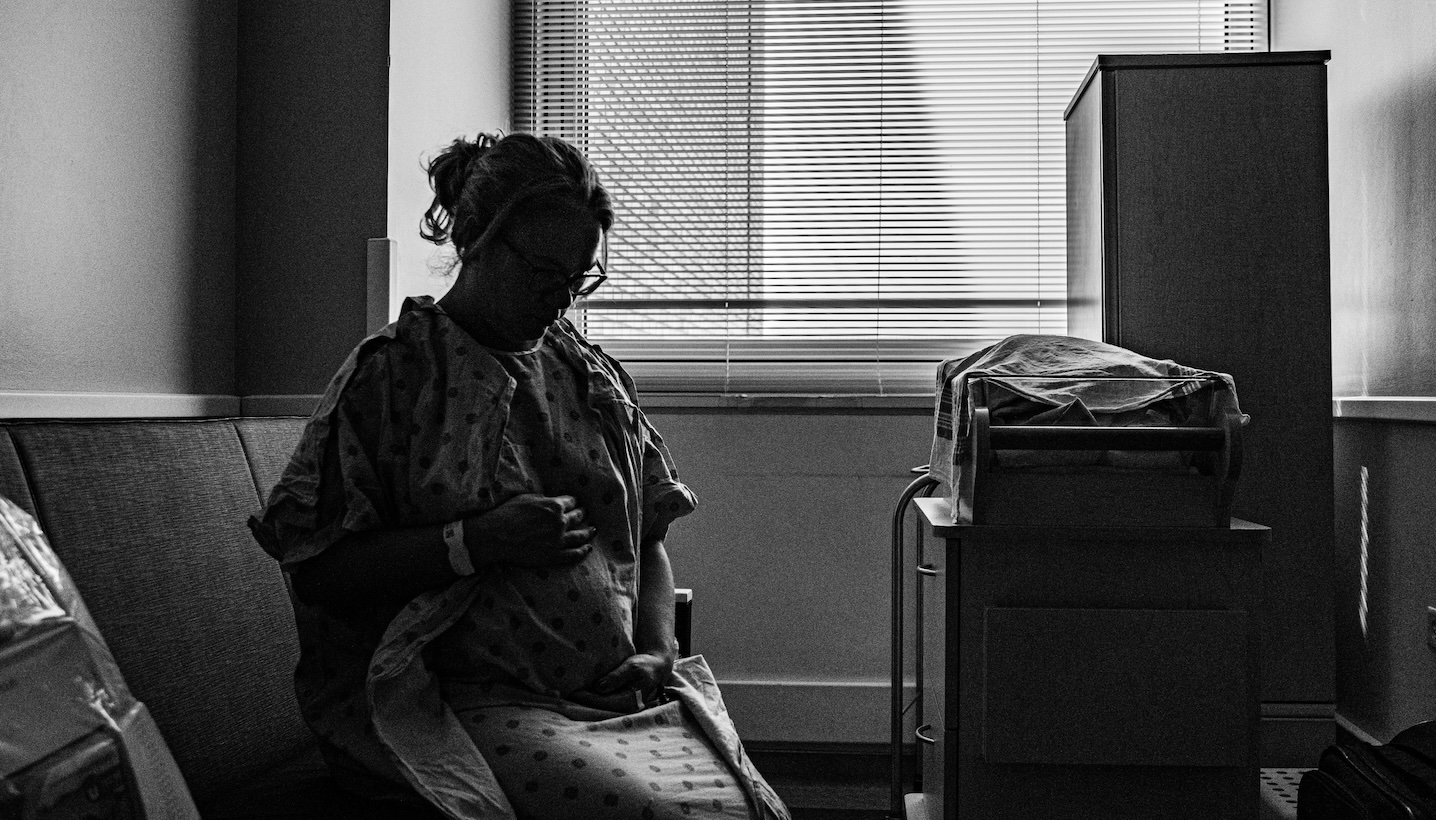
My baby arrived extremely premature. I won’t go into all the details, but what stayed with me most was how alone I felt during it all. I was there physically, but it felt like everyone else understood what was happening except me.
My baby died shortly after being born.
Even now, years later, that sentence hurts to write.
Afterwards, I felt empty. I wasn’t just exhausted from what had happened. I felt shut out from my own experience because I never fully understood what was going on around me. I went home grieving and trying to make sense of everything on my own.
There was no real emotional support from my family either. They believed I had “brought it on myself,” and that made things even harder.
For a long time, I didn’t question what had happened in the hospital. I thought maybe that was just how emergencies were. I thought maybe I was expecting too much by wanting proper communication during a crisis.
It wasn’t until years later, after I had built a more stable life with a loving partner, that I became pregnant again. That pregnancy was different from the start. I was older, more confident, and more aware of what support I had the right to ask for.
I knew I had the right to interpreters, not just for appointments but for emergencies too. This time, I made sure it was clearly written into my care plan and so people listened.
My second pregnancy was safe and healthy. I was supported properly. I could communicate. I could ask questions and actually understand the answers. It made me realise how different my first experience could have been if I had known my rights back then.
But I still think about that younger version of me. Seventeen, scared, alone. I think about how easily she accepted silence because she didn’t know there was another option.
That’s what the documentary brought back for me. Not just memories, but questions.
How many young deaf women are still going through maternity care without proper communication support?
How many are sitting there pretending they understand because they don’t know they can ask for more?
How many emergencies are still happening where no interpreter is called and no other communication support is offered?
I wish I could go back and tell my younger self one thing: you are allowed to ask to be understood. You are allowed to be included in your own care, even in emergencies.
I’m sharing this because I don’t want other young deaf women to go through what I did. I don’t want another frightened girl sitting in a hospital room trying to lipread life-changing information because she feels too scared to ask for help.
This blog has been shared anonymously as part of the Insight series – created by Assistant editor Rebecca A Withey. The author’s story has been translated from BSL to written English.
If you have a story, experience or viewpoint you would like to anonymously share please email Rebecca on rebecca@rawithey.com
Image courtesy of Pexels.
Enjoying our eggs? Support The Limping Chicken:

The Limping Chicken is the world's most popular Deaf blog, and is edited by Deaf writer and photographer Charlie Swinbourne.
Our posts represent the opinions of blog authors, they do not represent the site's views or those of the site's editor. Posting a blog does not imply agreement with a blog's content. Read our disclaimer here and read our privacy policy here.
Find out how to write for us by clicking here, and how to follow us by clicking here.
This site exists thanks to our supporters. Check them out below:
- Lumo TV: TV programmes in BSL for the Deaf community
- Bellman & Symfon: home alerting solutions, including the mobile phone transceiver!
- SignVideo: Instant BSL video interpreting online
- British Deaf Association: Working to transform the way BSL is accessed in the UK
- 999 BSL: call 999 in an emergency, in BSL
- Deaf Umbrella: Making colleges and workplaces more accessible
- Appa: Looking for RSLIs, TSLIs and CSWs, apply here!
- Signly: Adding BSL to websites
- Signworld: Learn BSL online!
- DCAL: world-class research into deafness, cognition and language
- Lipspeaker UK: specialist lipspeaking support
- BID: Deaf services, including advice and support, interpreting, employment and letters
- Interpreting Matters: BSL interpreting agency
- Sign Solutions: Instant access to Interpreters, training and BSL translation nationwide
- InterpretersLive: On demand BSL video interpretation
- Performance Interpreting: BSL interpreting at concerts
- National Deaf Children's Society: The leading charity for deaf children
- Action Deafness: “A Deaf-Led Charity” – interpreting & community support services




Posted on May 28, 2026 by Rebecca A Withey