
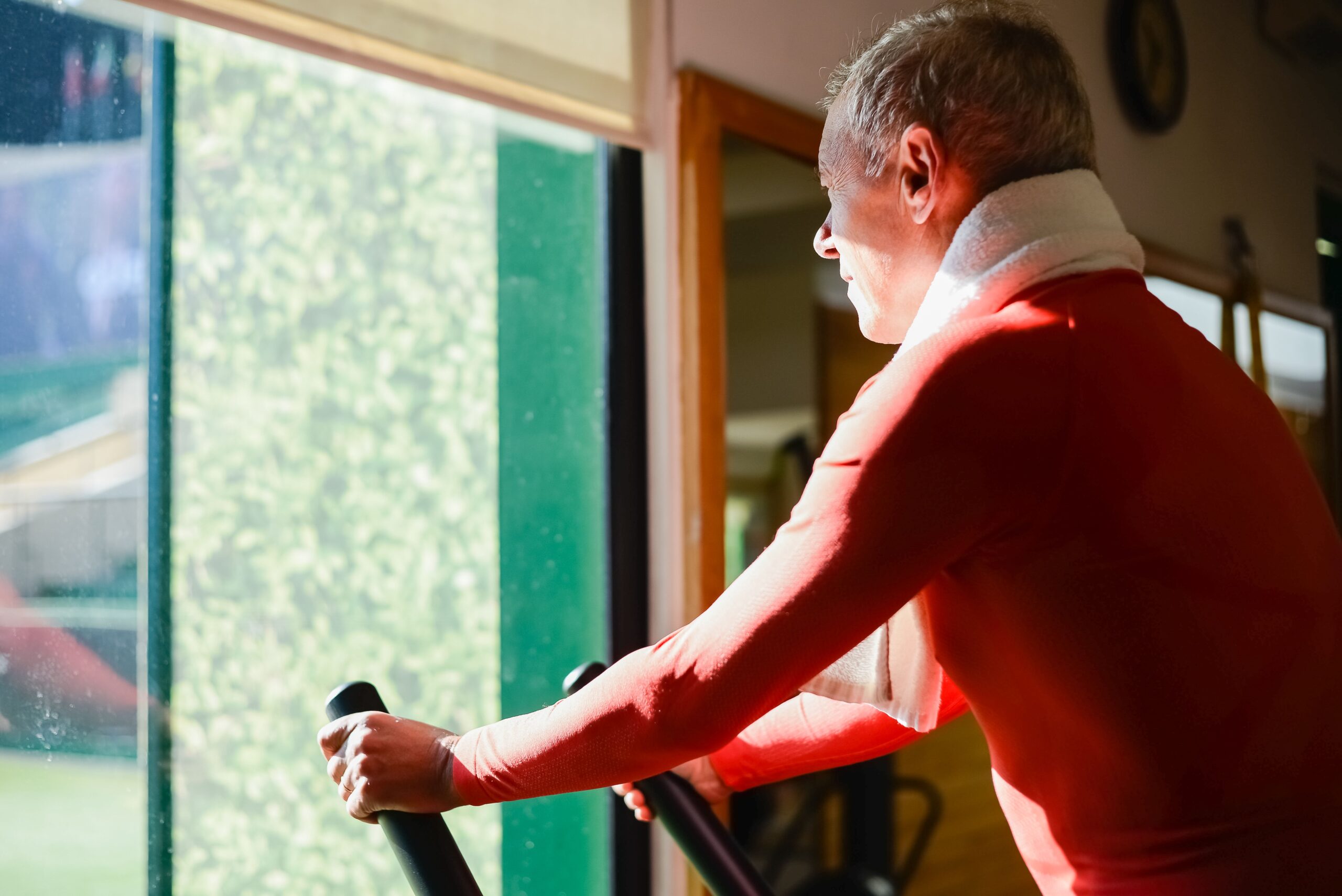
Like many people, I enjoy working out. It helps me stay fit, clear my mind, and feel good about myself. Exercise is an important part of my life, so when I joined my local gym, I was looking forward to getting started.
What I didn’t expect was to be told that I couldn’t use the gym on my own because I’m deaf.
At first, everything seemed normal. I signed up, met some of the staff, and explained that I am deaf. I communicate through sign language, lip reading, written notes, and text messages when needed.
I’ve been deaf all my life and I am used to managing independently. I live on my own, travel independently, work independently, and make my own decisions every day. Being deaf has never stopped me from living my life.
But a few days after joining the gym, I was contacted by the gym via email and told there was a problem.
The staff said they were concerned about health and safety. They explained that because I was deaf, they felt I should not use the gym without a carer or support worker present. They were worried that I might not hear emergency alarms or verbal instructions if something happened.
I was completely shocked.
At first, I thought there must have been some misunderstanding. I explained that I do not have a carer because I do not need one. I am an independent adult. Going to the gym is no different from going to the supermarket, travelling on public transport, or attending work.
But the gym continued to insist that I should bring someone with me. The whole situation left me feeling frustrated and upset. I understood that they wanted to keep people safe, but their solution felt unfair. Instead of finding ways to make the gym accessible, they were placing the responsibility on me.
Why should I have to arrange for another person to come with me every time I wanted to exercise?
Being deaf does not mean I cannot understand risks or look after myself. Deaf people successfully take part in all kinds of activities every day. We drive, work, study, play sports, raise families, and live independently.
There are also simple ways to make gyms more accessible for deaf people. Visual alarm systems, flashing emergency alerts, written communication, and deaf awareness training can all make a big difference.
Accessibility is not complicated when organisations are willing to learn. What upset me most was the assumption behind the decision.
Nobody asked about my experience. Nobody asked how I manage in other environments. They simply saw that I was deaf and assumed I needed extra supervision.
That assumption is something many deaf people face throughout their lives.
For a while, I wasn’t sure what to do. I knew the decision wasn’t right, but I also knew that challenging it wouldn’t be easy. Eventually, I decided to get someone else involved who had experience with disability rights and accessibility issues.
Together, we explained why the gym’s decision was unfair and why requiring a carer was not the right solution.
After further discussions, the gym changed its mind.
They finally recognised that the issue was not my deafness. The issue was their lack of understanding about deaf people and accessibility. Requiring me to bring a carer would have created an unnecessary barrier and placed the inconvenience on me rather than addressing the real problem.
It was a huge relief when the decision was reversed. At the same time, I couldn’t help wondering why it had taken so much effort in the first place. Deaf people should not have to fight for access to everyday services.
The responsibility should not fall on deaf or disabled people to overcome barriers that organisations create.
Instead, businesses should be more deaf aware. They should learn about the needs of deaf customers and make reasonable adjustments where necessary. A little understanding can go a long way.
This experience taught me an important lesson. Many of the barriers deaf people face are not caused by deafness itself.
They are caused by assumptions, lack of awareness, and systems that were not designed with inclusion in mind.
Thankfully, this story had a positive ending. The gym listened, learned, and changed its approach.
My hope is that by sharing my experience, other organisations will think twice before making assumptions about deaf people. We don’t need people to make decisions for us. We need equal opportunities, accessible environments, and the chance to participate like everyone else.
After all, inclusion isn’t about asking deaf people to fit around a system. It’s about making sure the system works for everyone.
This blog has been shared anonymously as part of the Insight series – created by Assistant editor Rebecca A Withey.
If you have a story, experience or viewpoint you would like to anonymously share please email Rebecca on rebecca@rawithey.com
Image courtesy of Pexels.
Enjoying our eggs? Support The Limping Chicken:

The Limping Chicken is the world's most popular Deaf blog, and is edited by Deaf writer and photographer Charlie Swinbourne.
Our posts represent the opinions of blog authors, they do not represent the site's views or those of the site's editor. Posting a blog does not imply agreement with a blog's content. Read our disclaimer here and read our privacy policy here.
Find out how to write for us by clicking here, and how to follow us by clicking here.
This site exists thanks to our supporters. Check them out below:
- Lumo TV: TV programmes in BSL for the Deaf community
- Bellman & Symfon: home alerting solutions, including the mobile phone transceiver!
- SignVideo: Instant BSL video interpreting online
- British Deaf Association: Working to transform the way BSL is accessed in the UK
- 999 BSL: call 999 in an emergency, in BSL
- Deaf Umbrella: Making colleges and workplaces more accessible
- Appa: Looking for RSLIs, TSLIs and CSWs, apply here!
- Signly: Adding BSL to websites
- Signworld: Learn BSL online!
- DCAL: world-class research into deafness, cognition and language
- Lipspeaker UK: specialist lipspeaking support
- BID: Deaf services, including advice and support, interpreting, employment and letters
- Interpreting Matters: BSL interpreting agency
- Sign Solutions: Instant access to Interpreters, training and BSL translation nationwide
- InterpretersLive: On demand BSL video interpretation
- Performance Interpreting: BSL interpreting at concerts
- National Deaf Children's Society: The leading charity for deaf children
- Action Deafness: “A Deaf-Led Charity” – interpreting & community support services




Posted on June 8, 2026 by Rebecca A Withey