
Following Rebecca’s great article on Lipreading, as a lifelong lipreader I can fully relate to things like beards, facemasks, chewing gum, ciggies, tongue studs and dental braces getting in the way, but has anyone also experienced issues with Botox?
A couple of family members recently had their lips discreetly plumped and when meeting up I immediately noticed they were more difficult to lipread. When I asked “Have you had your lips done?” they looked slightly shocked and said “Yes but you’re the first person to have noticed!”
I teach lipreading, so at a recent ATLA Regional meeting I mentioned this to colleagues and one said they had a class member who had unknown to the others had not just their lips but also their face done, with the result that they were constantly being asked to be more expressive in Lipreading exercises and plaintively bleating “I can’t!
So the enhanced lips and set features of being wrinkle-free seem to outweigh the benefits of being lipreadable. Which is probably why we tend to avoid the pneumatic attractions of programmes like Love Island.
Something to be added to the canon of things to be mindful of when communicating with lip-readers perhaps?
Another relatable thing from Rebecca’s article is that my wife and I both lipread and even after all these years we still get it wrong sometimes.
Recently we were staying at a converted farmhouse in Spain and one morning my wife came into the bedroom while I was still groggily without hearing technology and I lipread her saying “There’s a knocking at the front door.”
So I went to this huge oak door, opened it and lo and behold there was a donkey standing there. “Knocking” and “Donkey” look similar on the lips and given the context of a front door it should have logically been “Knocking”. But it wasn’t. The donkey and I regarded each other in silence for a bit then it wandered off and started nibbling choice patches of grass in the garden. It took the rest of the morning with various entreaties in English, Spanish, International Sign, bits of apple and brandishing a rolled umbrella to coax him out.
Lipreading is full of these moments and it would be great to hear of experiences from others.
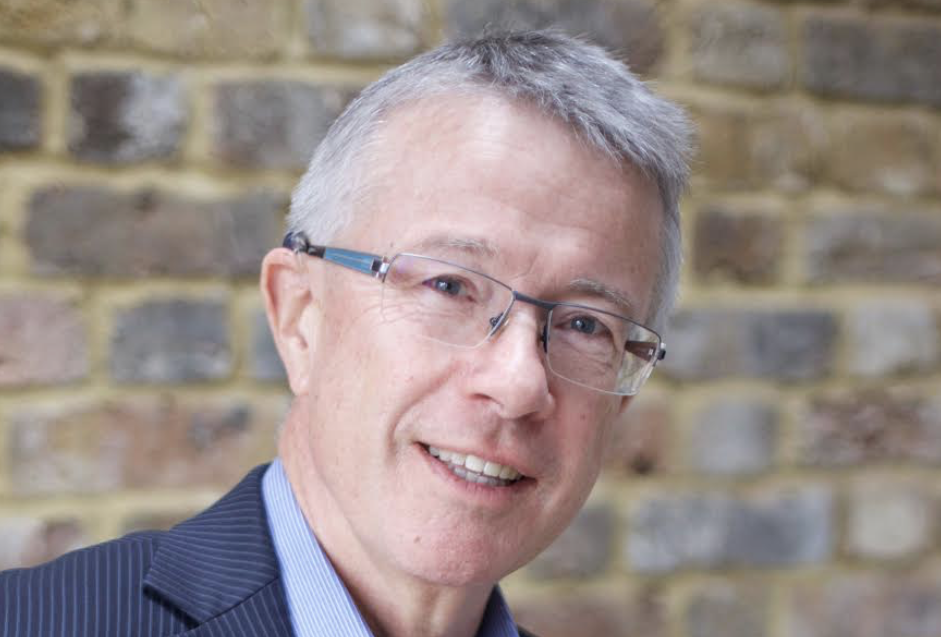
Chris Harrowell is a retired architect and inclusive design consultant who has been using hearing aids since the age of 5 and has benefitted from a cochlear implant since 2013. He volunteers with RNID and JDA Hearing Connect, providing hearing aid maintenance, advice and deaf awareness to people experiencing hearing loss. Chris qualified as a lipreading teacher in 2024 and is a firm believer in the value of sign and gesture to avoid lipreading whoopsies like these with new students.
Enjoying our eggs? Support The Limping Chicken:

The Limping Chicken is the world's most popular Deaf blog, and is edited by Deaf writer and photographer Charlie Swinbourne.
Our posts represent the opinions of blog authors, they do not represent the site's views or those of the site's editor. Posting a blog does not imply agreement with a blog's content. Read our disclaimer here and read our privacy policy here.
Find out how to write for us by clicking here, and how to follow us by clicking here.
This site exists thanks to our supporters. Check them out below:
- Lumo TV: TV programmes in BSL for the Deaf community
- Bellman & Symfon: home alerting solutions, including the mobile phone transceiver!
- SignVideo: Instant BSL video interpreting online
- British Deaf Association: Working to transform the way BSL is accessed in the UK
- 999 BSL: call 999 in an emergency, in BSL
- Deaf Umbrella: Making colleges and workplaces more accessible
- Appa: Looking for RSLIs, TSLIs and CSWs, apply here!
- Signly: Adding BSL to websites
- Signworld: Learn BSL online!
- DCAL: world-class research into deafness, cognition and language
- Lipspeaker UK: specialist lipspeaking support
- BID: Deaf services, including advice and support, interpreting, employment and letters
- Interpreting Matters: BSL interpreting agency
- Sign Solutions: Instant access to Interpreters, training and BSL translation nationwide
- InterpretersLive: On demand BSL video interpretation
- Performance Interpreting: BSL interpreting at concerts
- National Deaf Children's Society: The leading charity for deaf children
- Action Deafness: “A Deaf-Led Charity” – interpreting & community support services




Hartmut Teuber, hteuber.ht@gmail.com
June 25, 2026
I used to rely exclusively on on lipreading, both in German and English. But not anymore. I require sign language to interact with hearing people. also in my Family of Origin. Now two of them learned how to use hands to communicate with me.