

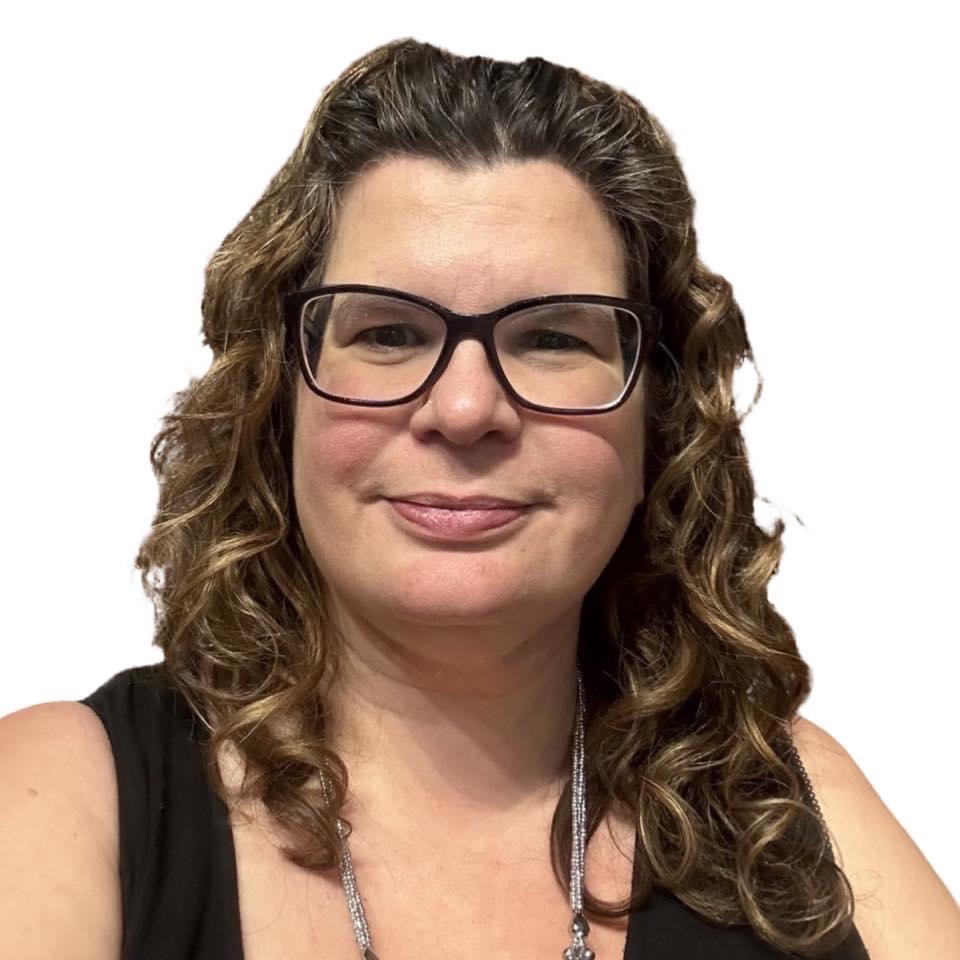
A Deaf campaigner is calling for urgent changes to emergency service communication support after her own experience revealed what she describes as a critical gap in accessibility for British Sign Language (BSL) users.
Elizabeth Corbett is campaigning for interpreter support to continue after emergency services have been dispatched, arguing that Deaf people are too often left without effective communication during some of the most important moments of an emergency.
The campaign, titled Where Is the Interpreter Post-Dispatch?, focuses on what happens after a Deaf person contacts emergency services using the 999 BSL service.
Launched in 2022, 999 BSL allows Deaf people to make emergency calls through a qualified British Sign Language interpreter. The service has been widely welcomed as a major step forward in improving access to emergency services.
However, Elizabeth says a significant problem remains.
“999 BSL works,” she explains. “The question is: where is the interpreter post-dispatch?”
She argues that while the interpreter is available during the emergency call itself, communication support ends once police, ambulance or fire services have been sent to the scene.
For many Deaf people, this is precisely when communication becomes most important. The issue became deeply personal for Elizabeth on 15 June 2022.
While at work, she received an unexpected FaceTime call from her 11-year-old son. His father, David, had been at home caring for their children who were recovering from an illness.
When Elizabeth answered the call, her son signed that his father had suddenly become unresponsive.
“I asked my son to turn the phone so that I could see David,” she recalls. “The moment I saw him, I knew this was a real emergency.”
While colleagues instructed her son to call 999, two colleagues drove Elizabeth home as quickly as possible.
When she arrived, emergency services were already at the scene. Ambulances, paramedics and the air ambulance team were working to save David’s life.
Elizabeth is keen to stress that the emergency responders did everything they could to communicate with her under exceptionally difficult circumstances.
“They treated us with kindness, professionalism and compassion,” she said.
However, despite their efforts, communication barriers quickly emerged.
Initially, paramedics wore face masks, making lipreading impossible. Although they later removed them where it was safe to do so, Elizabeth says the situation highlighted how vulnerable Deaf people can become during emergencies.
Her young son attempted to help by interpreting conversations.
“Bless him, he was only 11 years old and was already dealing with a traumatic situation involving his father,” she said.
“No child should be expected to interpret critical medical information during a life-and-death emergency involving a parent.”
As events unfolded, Elizabeth arranged for her children to be taken somewhere safe. She was then asked to wait away from the scene while emergency personnel continued their work.
It was at that point, she says, that the communication difficulties became even more apparent. Unable to communicate effectively with those around her, she contacted a hearing colleague by FaceTime. Through the phone, her colleague interpreted conversations and relayed information.
It was ultimately that colleague who informed Elizabeth that her husband had died.
Later, when police officers arrived to ask questions, Elizabeth says she was struggling to process information because of shock and grief.
“My lipreading skills had completely broken down,” she explained. “In traumatic situations, communication becomes even harder.”
A family member stepped in to interpret for her during police questioning.
“No family member should have to interpret the death of a loved one,” Elizabeth said. “No grieving relative should have to interpret police questioning while processing their own loss.”
Just two days after David’s death, the 999 BSL service was launched nationally. Elizabeth initially believed the new service would prevent other Deaf people from facing the barriers she had experienced.
A few weeks later, she used the service herself and was impressed by how effectively it worked. Through a qualified interpreter, she was able to contact emergency services quickly and an ambulance was dispatched without delay.
Yet the experience also revealed what she now believes is a major flaw.
Although interpreter support was available during the emergency call, it ended as soon as emergency responders were sent. For Elizabeth, this exposed a gap that remains largely unaddressed.
“Our campaign has always been about one thing,” she said. “Ensuring that Deaf citizens have access to communication support throughout the entire emergency journey, not just during the initial 999 call.”
Campaigners argue that Deaf people should have access to professional communication support when ambulance crews arrive, during interactions with police officers, and throughout emergency situations where critical information is being exchanged.
Supporters say the issue extends beyond England and should be addressed consistently across the entire UK, including Scotland and Northern Ireland.
Elizabeth is now working alongside other advocates, including Lynn Stewart-Taylor, founder of Where Is The Interpreter (WITI) to raise awareness and gather support for change.

Lynn Stewart-Taylor said the campaign has resonated with many Deaf people who have experienced similar communication barriers during emergencies.
“Lizzie’s story has stayed with me since we first began discussing the issue during the COVID era and the #WhereIsTheInterpreter campaign. It highlights a major lack of support and communication for British Sign Language users after emergency services have been dispatched.
Hearing Lizzie’s experience, along with the many others who have come forward, is heartbreaking. The system is still failing BSL citizens, and that is simply unacceptable.
Change is needed, and our voices must be heard. That’s why I decided to support Lizzie’s petition. Parliament needs to hear these real-life experiences and ensure communication access is available beyond dispatch.
We need your help to prevent more traumatic experiences and the lasting impact they have on individuals, families and friends. One simple action can make a difference: sign the petition and help us reach 100,000 signatures.”
The campaign is backed by a public petition calling for interpreter access to continue after emergency services have been dispatched.
For Elizabeth, the issue is ultimately about ensuring no Deaf person is left without communication support during a moment of crisis.
“Emergency communication access should not end when help is dispatched,” she said. “Until this gap is addressed, Deaf citizens remain at risk of being left without effective communication during some of the most critical moments of their lives.”
Campaigners are encouraging members of the public to learn more about the issue, support the petition and help raise awareness of the need for accessible communication throughout the entire emergency response process.
To support the ‘Where Is The Interpreter Post-Dispatch?’ campaign and sign the petition, visit:
https://petition.parliament.uk/petitions/754013
#WhereIsTheInterpreterPostDispatchAccessNow
Enjoying our eggs? Support The Limping Chicken:

The Limping Chicken is the world's most popular Deaf blog, and is edited by Deaf writer and photographer Charlie Swinbourne.
Our posts represent the opinions of blog authors, they do not represent the site's views or those of the site's editor. Posting a blog does not imply agreement with a blog's content. Read our disclaimer here and read our privacy policy here.
Find out how to write for us by clicking here, and how to follow us by clicking here.
This site exists thanks to our supporters. Check them out below:
- Lumo TV: TV programmes in BSL for the Deaf community
- Bellman & Symfon: home alerting solutions, including the mobile phone transceiver!
- SignVideo: Instant BSL video interpreting online
- British Deaf Association: Working to transform the way BSL is accessed in the UK
- 999 BSL: call 999 in an emergency, in BSL
- Deaf Umbrella: Making colleges and workplaces more accessible
- Appa: Looking for RSLIs, TSLIs and CSWs, apply here!
- Signly: Adding BSL to websites
- Signworld: Learn BSL online!
- DCAL: world-class research into deafness, cognition and language
- Lipspeaker UK: specialist lipspeaking support
- BID: Deaf services, including advice and support, interpreting, employment and letters
- Interpreting Matters: BSL interpreting agency
- Sign Solutions: Instant access to Interpreters, training and BSL translation nationwide
- InterpretersLive: On demand BSL video interpretation
- Performance Interpreting: BSL interpreting at concerts
- National Deaf Children's Society: The leading charity for deaf children
- Action Deafness: “A Deaf-Led Charity” – interpreting & community support services




Posted on June 26, 2026 by Rebecca A Withey