
DUKIA (Deaf UK and Ireland Academics) is an informal group that brings together deaf academics and researchers from across the United Kingdom and Ireland. Since its founding around 2005, it has grown out of a simple but important understanding: that deaf academics often feel isolated in our work, frequently based in universities or research settings where we may not have any deaf colleagues to turn to for everyday professional or emotional support.
 Dr Kirstie Stage (left) who recently passed her viva in history at Cambridge, knows that feeling well: “As a deaf researcher, doing a doctorate can feel quite isolating when you’re surrounded by hearing colleagues. Finding DUKIA has made a huge difference. It’s helped me embrace my deaf identity (rather than hide from it) and given me a community where we can share advice, strategies, and encouragement, as well as celebrate each other’s achievements.”
“Our WhatsApp group has been a constant source of support and connection and knowing there are other deaf academics across the UK (and further afield!) who understand these experiences has helped me feel more confident, motivated, and much less alone throughout my doctorate. Honestly, I’m not sure I would have finished my doctorate without the support of some of the folks involved!”
DUKIA offers a friendly, welcoming space where these academics can come together, exchange ideas, share useful information and support one another along the way. Our research interests are wonderfully varied, spanning sign language studies, deaf studies, interpreting and linguistics, among other related fields — and our membership is just as varied as Dr Rob Wilks, Senior Lecturer at the University of the West of England and author of The Deaf Legal Dilemma: Challenging Equality Law, explains:
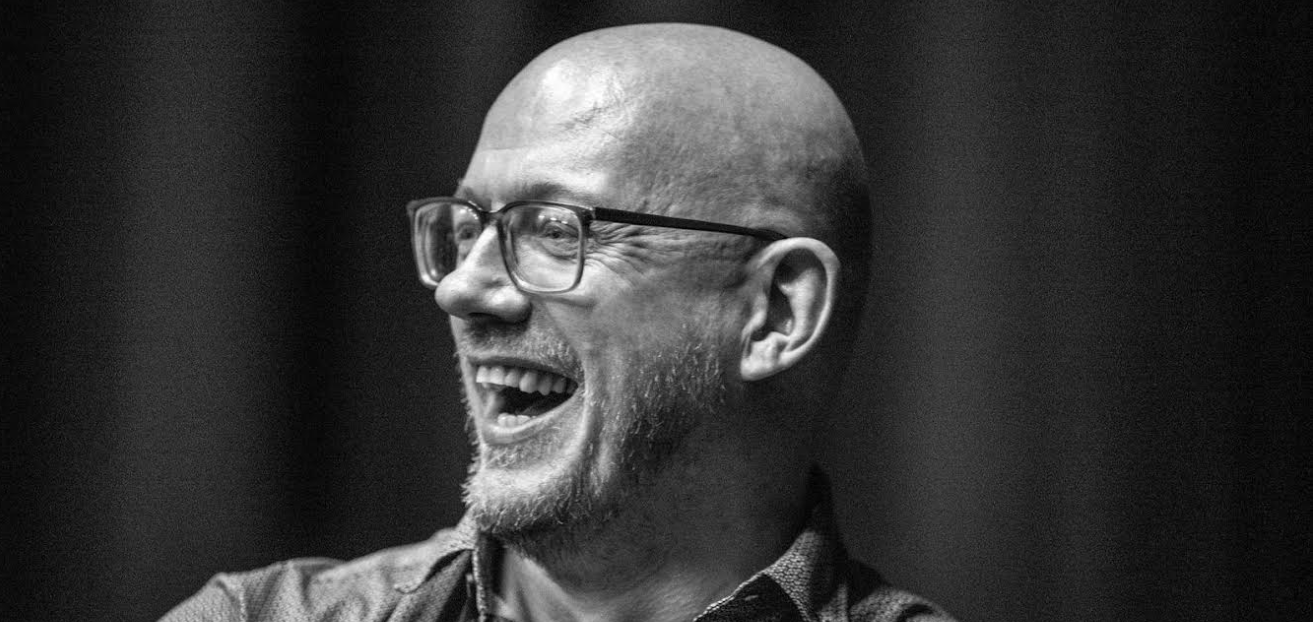
“Being the only deaf academic at UWE Bristol, it is important for me to have a deaf space I can go to recharge my deaf battery. DUKIA offers such a space, and the wonderful thing about it is that it has such an eclectic mix of members, ranging from Master’s students to full Professors, and everything in between, across a range of disciplines. What more could you ever need?!”
The group provides a relaxed, pressure-free environment for peer support and mentoring, encouraging members to reach out, entirely voluntarily, to others who genuinely understand our experiences, challenges and aspirations. For many members, that understanding is what makes the difference.
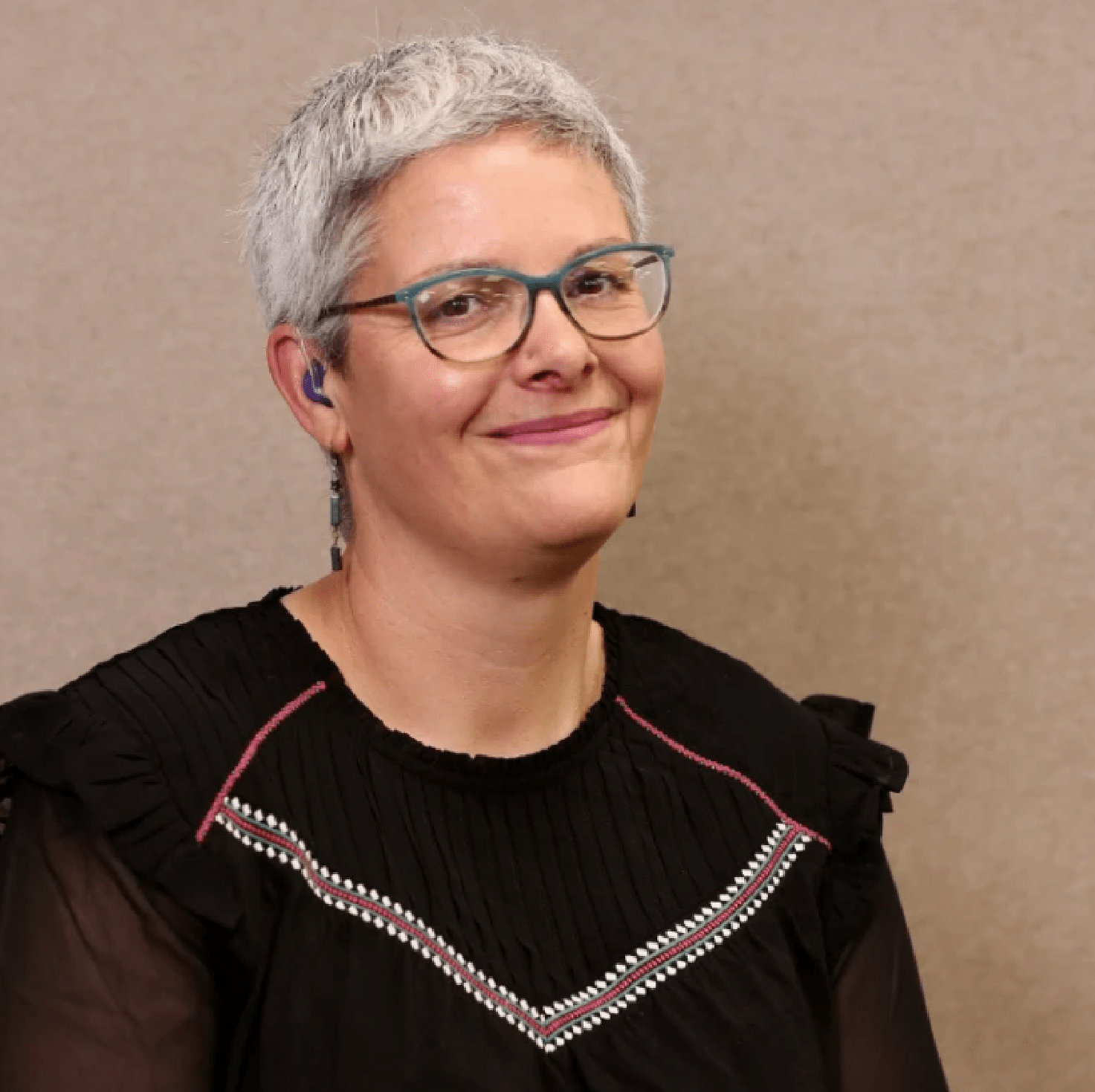 Dr Emma Ferguson-Coleman (left), Lecturer in Dementia and Ageing at the University of West London, wrote: “Having a well-established group like DUKIA where there are other Deaf academics who use signed languages is an extremely valuable resource of support that reduces isolation and loneliness. Working as a lecturer within a hearing-dominated environment can bring its own challenges on an everyday basis, so knowing that there are individuals with whom you can directly communicate really preserves well-being and motivation. It helps that there are others like you who face everyday barriers to effective communication, particularly on the days that you might not have an interpreter in the office with you. Navigating water-cooler style chats with hearing colleagues who are hard to lipread can be at times draining and being able to offload this with people who are in the same position as you is very helpful! Furthermore, the DUKIA WhatsApp group fosters solidarity, empathy and inclusion, which is a supportive environment, particularly when you are working as the only Deaf academic within your university institution. This space increases our visibility with one another and it also creates opportunities for us to meet up, whether this is informal or whether it is a training session that can be delivered in signed languages.”
Right now, we have 60+ members and the number is still growing. If you would like to learn more about this wonderful and supportive community, you can find out everything at www.dukia.org.
Shane Gilchrist, a deaf academic and a qualified deaf interpreter from Northern Ireland. His research interests span sign language politics and rights, deaf interpreters and the sociolinguistics of signed languages, with fieldwork and documentation experience across Ireland, the UK, the Netherlands, Colombia and Mexico.
Rob Wilks, a deaf academic from Wales and Senior Lecturer in Law at the UWE, specialises in employment and anti-discrimination law. His research focuses on equality and sign language law and on building Deaf Legal Studies as a recognised field.
Main photo of Rob Wilks (at top of page) by Natasha Hirst
Enjoying our eggs? Support The Limping Chicken:

The Limping Chicken is the world's most popular Deaf blog, and is edited by Deaf writer and photographer Charlie Swinbourne.
Our posts represent the opinions of blog authors, they do not represent the site's views or those of the site's editor. Posting a blog does not imply agreement with a blog's content. Read our disclaimer here and read our privacy policy here.
Find out how to write for us by clicking here, and how to follow us by clicking here.
This site exists thanks to our supporters. Check them out below:
- Lumo TV: TV programmes in BSL for the Deaf community
- Bellman & Symfon: home alerting solutions, including the mobile phone transceiver!
- SignVideo: Instant BSL video interpreting online
- British Deaf Association: Working to transform the way BSL is accessed in the UK
- 999 BSL: call 999 in an emergency, in BSL
- Deaf Umbrella: Making colleges and workplaces more accessible
- Appa: Looking for RSLIs, TSLIs and CSWs, apply here!
- Signly: Adding BSL to websites
- Signworld: Learn BSL online!
- DCAL: world-class research into deafness, cognition and language
- Lipspeaker UK: specialist lipspeaking support
- BID: Deaf services, including advice and support, interpreting, employment and letters
- Interpreting Matters: BSL interpreting agency
- Sign Solutions: Instant access to Interpreters, training and BSL translation nationwide
- InterpretersLive: On demand BSL video interpretation
- Performance Interpreting: BSL interpreting at concerts
- National Deaf Children's Society: The leading charity for deaf children
- Action Deafness: “A Deaf-Led Charity” – interpreting & community support services




Posted on August 5, 2026 by Editor